As sustainability standards evolve, biodiversity is becoming a crucial focus for businesses. Data from CDP highlights promising strides but also underscores significant gaps in corporate biodiversity management. Here are some of the latest insights from our Head of ESG, Dr Nishikant Gupta:
Rising biodiversity disclosures
Since the adoption of the Global Biodiversity Framework (GBF) in 2022, there has been a 43% increase in biodiversity data disclosures. This growth reflects a positive trend toward transparency and a broader understanding of biodiversity’s role in sustainability.
Dependency on biodiversity
Despite rising disclosures, fewer than 10% of companies have taken the step of assessing their dependency on biodiversity. This insight suggests an opportunity for companies to examine how biodiversity impacts operations, supply chains, and resilience to environmental changes.
Addressing financial risks
Only a small fraction of companies have addressed the financial risks linked to biodiversity. Given that nature-related risks can significantly impact asset values and operations, prioritising biodiversity within financial assessments can provide companies with greater resilience.
A new biodiversity investment fund
At COP16, 11 major French institutional investors announced the launch of a €100 million fund dedicated to biodiversity solutions and the fight against biodiversity loss. Such initiatives showcase the financial sector’s growing commitment to sustainability, and they pave the way for similar investments across other sectors.
Corporate water dependency
The latest data reveals a 24% increase in companies evaluating their water dependencies. This focus has led to a measurable outcome: a 22% reduction in corporate water use. With water scarcity becoming a pressing global issue, proactive water management offers both environmental and operational benefits.
These findings from CDP serve as a powerful reminder: addressing biodiversity is not only a matter of environmental responsibility but also one of economic sustainability. For companies, assessing dependencies on nature and biodiversity, understanding associated risks, and investing in natural capital are fast becoming essential practices.
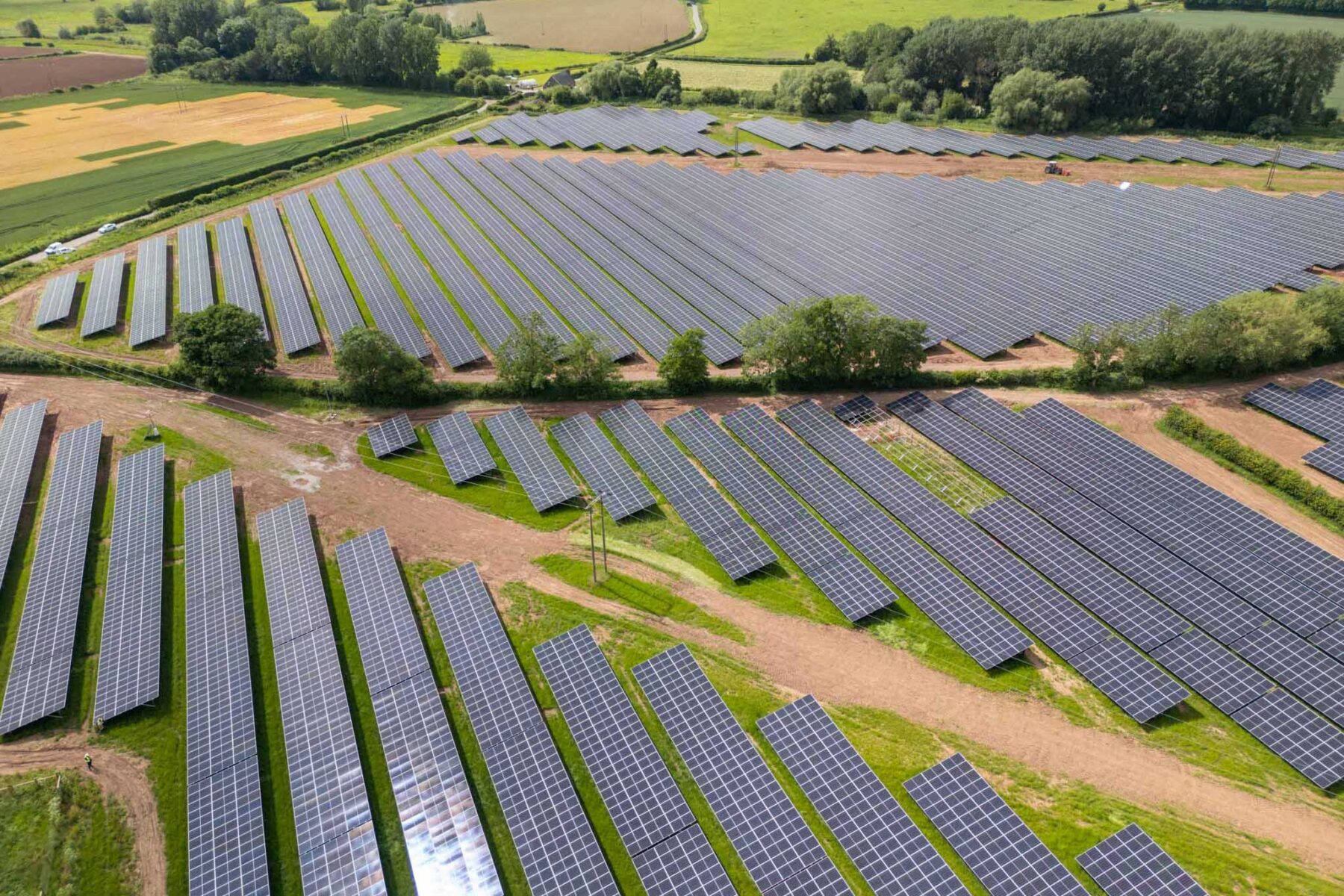
At Conrad Energy, we are committed to supporting biodiversity in the projects we deliver as well as supporting the energy transition. For example, at our flagship solar site at Larport in Herefordshire, we achieved a biodiversity net gain of 132%. By making efforts such as this, we hope to play our part in creating a healthier planet and a more sustainable economy. Together, we can drive change that benefits both the environment and business.