The Grocer recently reported that, according to a new report from Abel & Cole, “more than three quarters of organic farmers have seen their crops affected by unpredictable weather in the past 12 months”. The article went on to say that “nearly half (47%) had been so badly affected that they had been forced to change their crops to diversify their offering and build a more sustainable supply chain”. In combination with the difficulty in obtaining fair pricing from supermarkets, organic farming is under financial pressure that has seen some farms ditch certain crops altogether.
In a category report focusing on chocolate in the same edition of The Grocer, they examined the potential impact of poor cocoa crops on UK chocolate manufacturers’ abilities to fulfil their sustainability commitments.
With cocoa supply issues in Africa stemming from “the effects of climate change and widespread disease”, margins are being tightened for chocolate manufacturers here in the UK. James Cadbury, founder of the Hip brand, said his margins had fallen by about half in the past year. He voiced concern that the “financial squeeze” could impact the voluntary 1% for the Planet commitment to which Hip has previously been a signatory. The scheme involves contributing at least 1% of annual revenue to environmental causes
Whilst raw material costs putting pressure on margins could become a deterrent to brands focusing on voluntary transparency or sustainability measures, there could be other areas of their supply chain where both cost savings and carbon reduction wins remain untapped.
Renewable energy could be a way for farmers to diversify, and for manufacturers to secure lower energy costs – all while reducing carbon and supporting the energy transition.
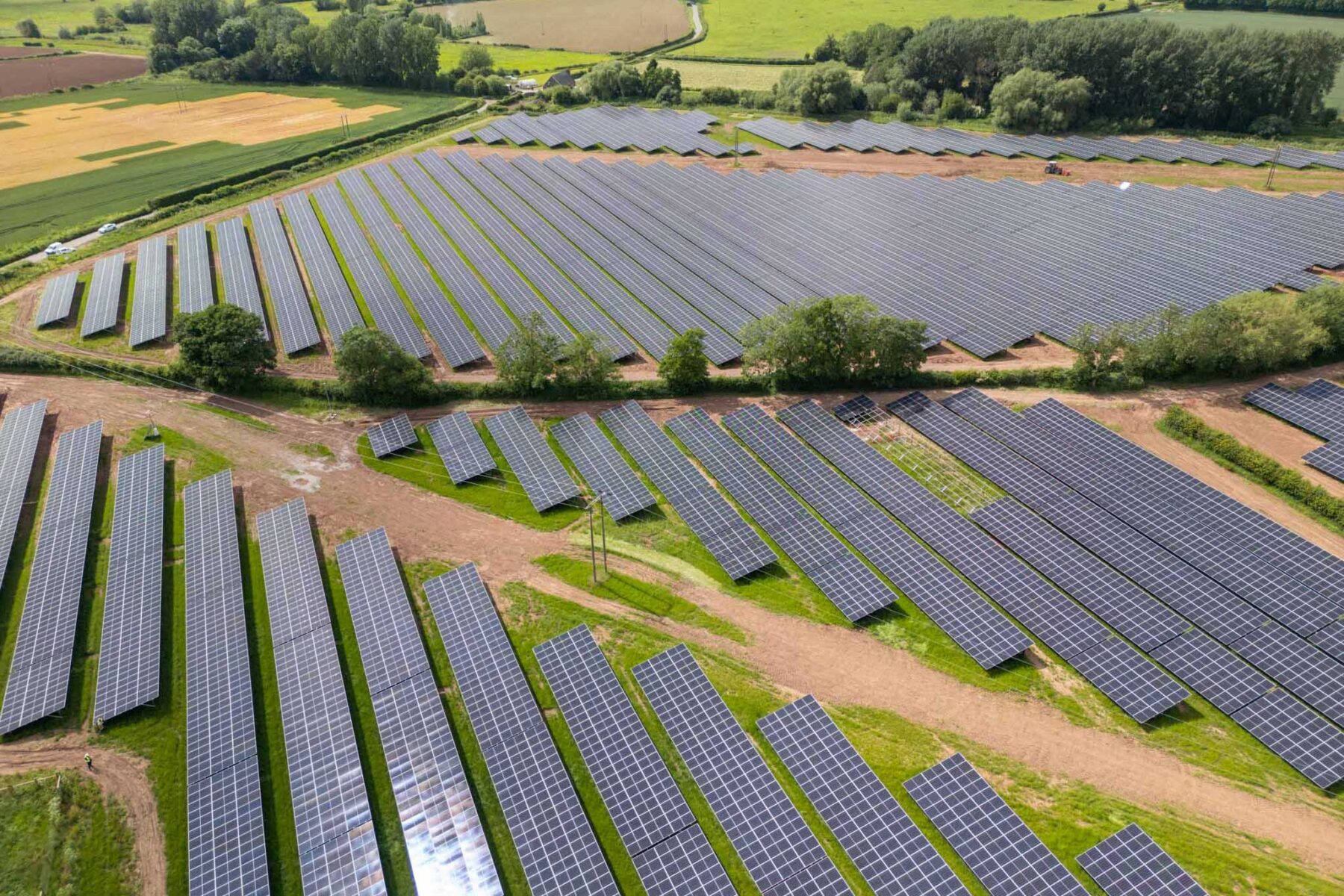
For farmers, at the smallest scale, they could save money by generating electricity that covered their own operating needs. This could be through roof top solar, or with a ground mounted asset including solar, wind or anaerobic digestion. With a larger land commitment, depending on locations, they could host a utility scale project to provide energy to the grid, or via private wire to a neighbouring high consuming business.
For the manufacturers, who are high energy users, renewable energy can help with their overheads and green credentials. Renewable energy developers like Conrad Energy will talk to the manufacturer, assess their half hourly usage data over the past year or so and suggest the most suitable options for them. Depending on their location, this could be through on or near site generation, or through a corporate PPA matching the renewable energy generated on a site elsewhere in the UK.
On site generation requires space. Some manufacturers have ample roof surface area or spare land that would be suitable for solar panels. Warehouses and cold stores are a great example of this, particularly as their roofs tend to be large and less complicated than factory buildings that have been added to over time.
In cases where a manufacturer doesn’t have enough appropriate roof space to make panels viable, there may be scope for a near site generation project. Land is bought or leased from a neighbouring landowner, where the energy installation is built. The power output is then fed by a private wire into the manufacturer. Long term contracts make this worthwhile for both the manufacturer and the landowner. On and near site generation are behind the meter solutions, where the commercial consumer bypasses the costs associated with power served by the grid. The off-grid nature of these sites also provides added energy security, as their output is not shared.
When the high energy user is located in a built-up area, their best option may be a corporate PPA. This would enable them to take the full output of a renewable energy generation site located anywhere in the UK. Corporate PPAs and behind the meter solutions provide long term contracts that come with cost savings and price stability that enables more accurate forecasting. In conjunction with renewable energy, they also add to a company’s green credentials and feed into ESG targets.
For food manufacturers involved in the logistics of shipping their goods around the UK to customers or third party suppliers, the technological advancements in hydrogen power could be especially interesting. Transport is a key area of focus for the UK’s hydrogen generators, with fuel cells emitting only electricity, heat and water. Your brand having an association with zero emissions vehicles could be the USP of the future for eco-conscious end consumers.
From farm to table, food production is an industry that has a lot of scope to benefit from participating in the UK’s energy transition.