Whether the sun is shining or not, the Wimbledon Championships are a bastion of the British summer. It is synonymous not just with tennis, but also with strawberries, cream and often an array of umbrellas.
Only 7 championships have run without rain delay in the past hundred years, in 1931, 1976, 1977, 1993, 1995, 2009, 2010. Over the years, many of us have watched impromptu crowd entertainment during rain showers including Cliff Richard famously singing to the rest of the crowd when rain stopped play in 1996.
However, the rain is not the only troublesome weather condition faced by the organisers. In the past twenty years, temperatures at the championship have varied wildly from a chilly 4.9C in 1999 to a peak of 35.7C in 2015. Those extremely hot days have seen dizzy players and even a ball boy sent to hospital.
The All England Club, and by extension the Wimbledon Championships, are a signatory to the UN Sport for Climate Action Framework. They aim to have, and advocate for, a positive environmental impact, using their influence to inspire wider action. By 2030 they aim to reduce their operational emissions to net zero, become a more resource-efficient organisation and contribute to a biodiversity net gain.
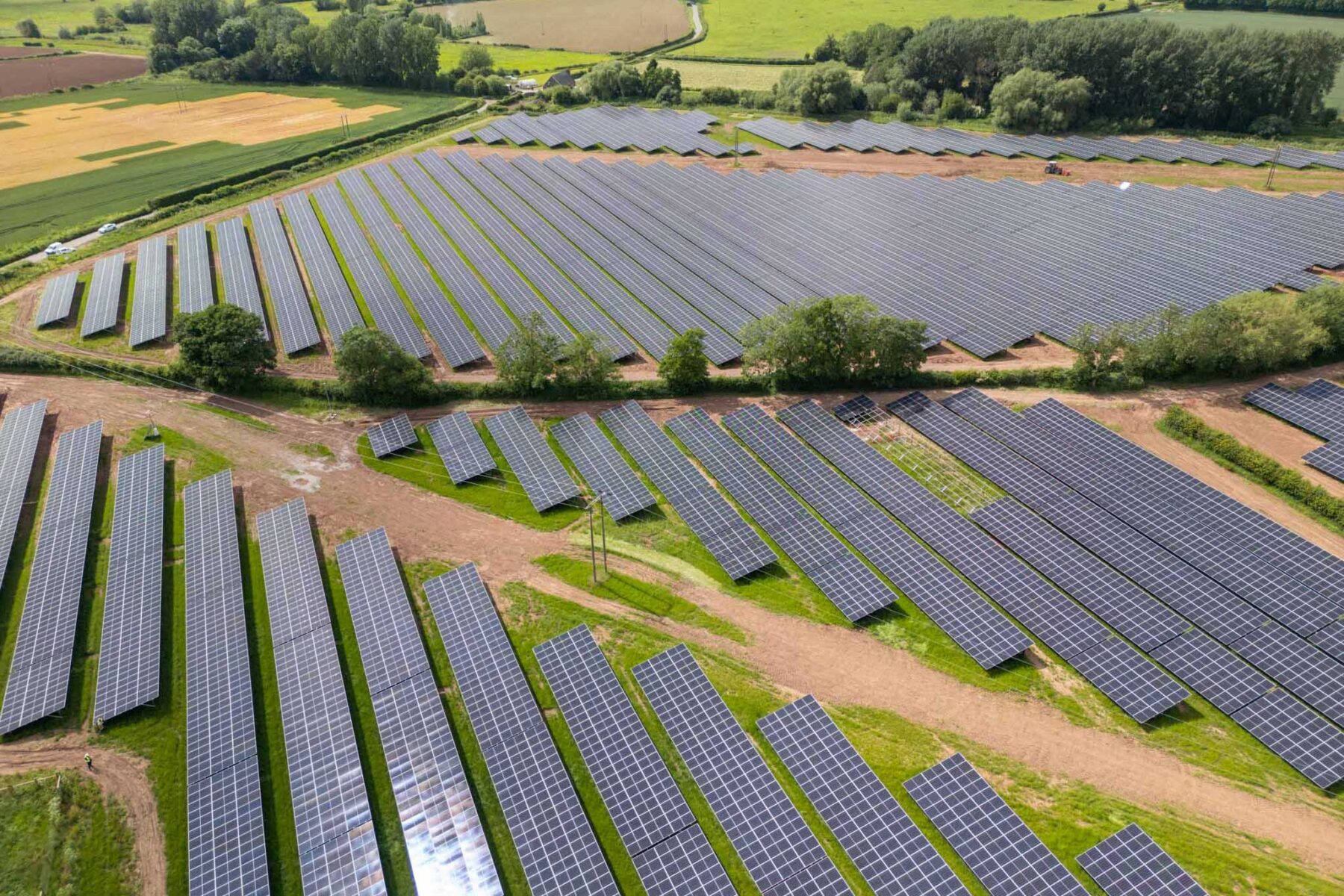
Conrad Energy’s commitment to supporting the UK’s energy transition includes the elements specifically designed for balancing the intermittency of renewable power due to inconsistencies in the weather. Solar power, such as that generated by the panels on the roofs of several of the All England Club’s buildings, is variable because output fluctuates in synch with the amount of sunshine. Balancing mechanisms like our battery systems, gas peakers and the synchronous condensers we are building as part of the NGESO’s Pathfinder programme are essential for the smooth proliferation of renewable energy.
The next big name tennis fixture is the Olympics in Paris at Roland-Garros. Solar panels have also been installed across their complex, with 450 sq. m. of them on the Court Suzanne-Lenglen’s new retractable roof. All the energy supplied goes into the stadium complex power network. The installation of the panels marked the end of extensive modernisation work at Roland-Garros, which was the subject of an environmental management plan.
We applaud the advances in large tennis centres like the All England Club and look forward to seeing where they find their next advantage and championship points.