The 10 New Insights in Climate Science 2023/2024 report called for urgent climate actions and commitments at national and international levels. Following this credible guidance, the Global Tipping Points report launched at the 28th meeting of the Conference of the Parties (COP28) examined the risks and opportunities of negative and positive Climate Tipping Points (CTPs), which were defined as “a critical threshold which, if passed, causes sudden, dramatic, or irreversible changes to earth’s largest systems”. The report highlighted the collapse of big ice sheets in Greenland and West Antarctic, widespread thawing of permafrost, death of coral reefs in warm waters, and collapse of one oceanic current in North Atlantic. These could cause significant harmful impacts, (through floods, droughts, and sea level rise) on the lives and livelihoods of millions of people, and businesses globally. The report also touched upon positive CTPs, (i.e., investments in preventative strategies, shift to sustainable products, and rapid adoption of cleaner technologies) to tackle the ongoing environmental issues.
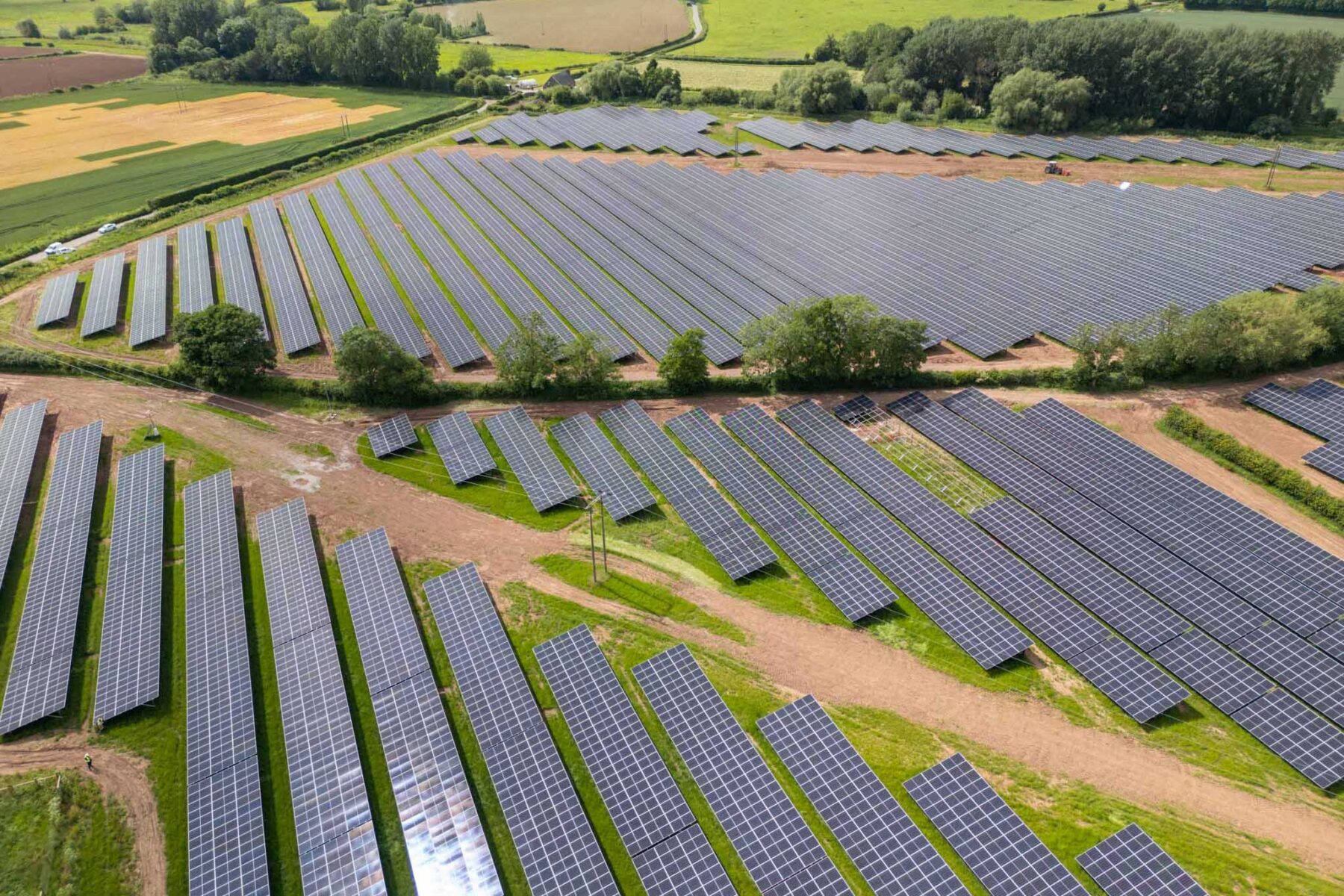
CTPs and their carbon implications could impact the energy sector which is rapidly working towards reducing its emissions to meet national and global targets. It is therefore imperative for the sector to incorporate the potential impacts of CTPs within their portfolio. It is also essential to address the impact of the sector itself on the potential climate risk. Some steps could include directing targeted resources into infrastructure and technology, allocating capital for renewable energy sources, and investing in cleaner energy plants. Further, severe climate impacts such as floods, landslides, or heat waves potentially resulting from CTPs could impact offices or infrastructure such as solar farms and battery sites. In addition, as modelling CTPs is often complex, they could be excluded from climate risk scenarios, downplaying the level of risk to an asset.
Conrad Energy has been working gradually to increase the amount of renewable energy it generates, which is also supported by its acquisition of an onshore wind farm. It is also looking at the prospect of building a green hydrogen pipeline. Investments are being made in the preparation of Climate Change Adaption Plans (CCAPs) for its sites in accordance with the UK Government’s guidelines. These CCAPs focus on how a site has been/could be affected by severe weather, (e.g., physical risks such as flood and heatwaves); the scale of the impact on its operations, (i.e., transition risks); and the development of an action plan for minimizing the identified impacts within a stipulated timeframe.
While it is not mandatory to explicitly address the risk of CTPs, it is imperative to get a head start, to mitigate and manage the existing and emerging risks, and stay on top of future regulations. For example, the Taskforce on Climate-related Financial Disclosures (TCFD) and the Taskforce on Nature-related Financial Disclosures (TNFD) both have recommendations and guidance to understand, report, and manage climate- and nature-related risks and opportunities. Given the interrelation between CTPs and the natural world, these frameworks could help to mitigate some of the risks of CTPs and tip the balance towards a more sustainable future.